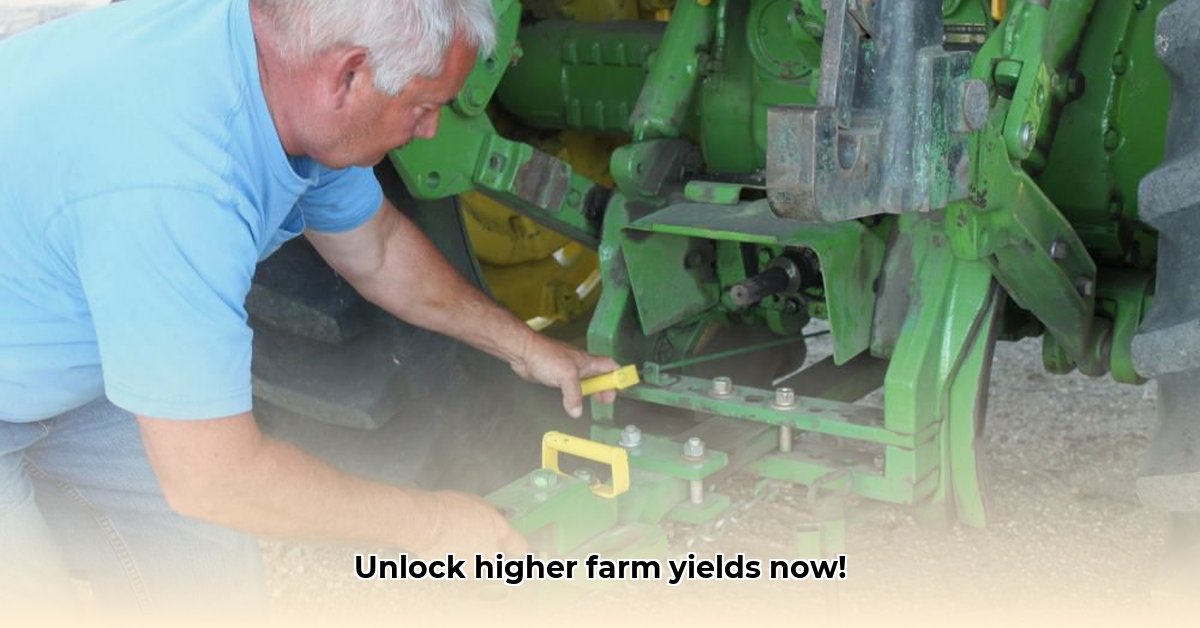
Tractor Drawbar Hitches: The Unsung Heroes of Sustainable Farming
The tractor drawbar hitch – a seemingly simple connection – plays a crucial role in sustainable agriculture. This unassuming piece of equipment links your tractor to implements, dictating efficiency, soil health, and overall environmental impact. Choosing and maintaining the right hitch isn't just about completing tasks; it's about optimizing your farm's productivity while minimizing its environmental footprint. Did you know that proper hitch selection can directly impact fuel consumption and soil compaction, leading to significant long-term savings and a healthier environment? For more information on drawbar hitches, check out this helpful resource: Learn More.
Understanding Drawbar Hitch Types: A Practical Overview
A tractor drawbar hitch is the connecting link between your tractor and implements like plows, seeders, and cultivators. While seemingly straightforward, several hitch types cater to different needs and farming styles.
- Rigid Hitch: Offers a strong, inflexible connection, ideal for heavy-duty tasks like plowing. The power transfer is maximized, but flexibility is sacrificed. This is a good choice for sturdy, consistent soil conditions.
- Swinging Hitch: Allows for more flexibility, crucial for navigating uneven terrain or when using implements that need lateral movement, such as disc harrows on hilly fields. However, some power might be lost due to the flexibility.
- Adjustable Hitch: Provides a balance between rigidity and flexibility, allowing for adjustments based on specific needs and soil conditions. This is a very versatile option, particularly in diverse farming environments.
Choosing the correct hitch type is paramount. A rigid hitch might be ideal for plowing flat, heavy clay soil, while a swinging hitch would be better suited for cultivating a sloped field with lighter soil.
Optimizing Soil Health and Yields: The Hitch's Unexpected Role
Sustainable farming centers around soil health. Excessive soil compaction reduces water infiltration, nutrient uptake, and overall crop yields. The drawbar hitch directly influences soil compaction. A well-chosen hitch can minimize this compaction, leading to healthier plants and higher yields.
- Minimizing Compaction: Swinging hitches often cause less compaction than rigid hitches, especially on slopes. This minimizes soil disturbance and helps maintain soil structure.
- Reduced Fuel Consumption: Lower compaction translates to better traction, requiring less power (and fuel) from your tractor to perform the same task.
- Enhanced Water Infiltration: Healthy soil absorbs water more effectively, reducing runoff and erosion. This is crucial for both crop health and water conservation.
"The right hitch can significantly reduce soil compaction, leading to healthier soils and improved yields," says Dr. Emily Carter, Agricultural Engineering Professor at Cornell University. "It's a simple adjustment with far-reaching benefits."
What percentage of fuel savings can farmers expect from reducing soil compaction through the proper use of a drawbar hitch? This remains a subject of ongoing research, dependent on factors like soil type, implement used, and operational techniques, however, many farmers report noticeable fuel savings.
Drawbar Maintenance: A Simple Guide to Protecting Your Investment
Regular maintenance is critical for maximizing the lifespan of your drawbar hitch and ensuring safe operation. A well-maintained hitch is a reliable partner, while a neglected one poses safety risks and increases costs.
- Visual Inspection (Monthly): Check for cracks, bends, worn parts, and loose bolts. Addressing minor issues promptly prevents major problems down the road.
- Lubrication (As Needed): Keep moving parts well-lubricated to reduce friction and prolong life. Consult your hitch's manual for specific recommendations.
- Bolt Tightening (Regularly): Loose bolts are a significant safety hazard. Regularly check and tighten all bolts to maintain secure connections.
- Pin Inspection (Regularly): Inspect pins for wear and tear, replacing them as needed for a safe and secure connection.
- Corrosion Control (Periodically): Clean your hitch regularly and apply rust inhibitor to prevent corrosion and extend its life.
Sustainable Drawbar Materials: A Focus on Environmental Responsibility
The material used in your drawbar directly impacts its environmental impact. Traditional high-strength steel alloys have a high carbon footprint. Let's explore sustainable alternatives:
- Recycled Steel: Significantly reduces energy consumption compared to using virgin steel. It's a simple yet powerful way to lessen your environmental impact.
- High-Strength, Low-Alloy Steels: These require less material for the same strength, reducing production resources and emissions.
- Aluminum Alloys: Lightweight and highly recyclable, offering potential fuel efficiency gains. However, research its specific production impacts.
- Composite Materials: A newer area of research, these materials offer potential for improved strength-to-weight ratios and reduced environmental impact. Further research is needed to assess long-term durability and cost-effectiveness within agricultural contexts.
When selecting materials, consider strength, durability, weight, recyclability, cost, and availability. Prioritizing environmentally responsible choices is an investment in the long-term sustainability of your farm.
Actionable Steps for Sustainable Farming with Drawbar Hitches
- Assess Your Needs: Evaluate your soil type, terrain, and typical implements to determine the most suitable hitch type (rigid, swinging, or adjustable).
- Choose Sustainable Materials: Prioritize recycled steel or high-strength, low-alloy steels whenever possible.
- Implement a Regular Maintenance Schedule: Follow the maintenance guide above to extend the life of your hitch and ensure safe operation.
- Consider Precision Guidance Systems: These systems can optimize field operations, minimize soil compaction, and reduce fuel consumption.
- Stay Informed: Keep abreast of advancements in hitch technology and sustainable farming practices.
By following these steps, you can optimize your farming operations and contribute to a more sustainable future for agriculture. Remember, small adjustments can make a significant positive impact on your farm’s efficiency and environmental footprint.